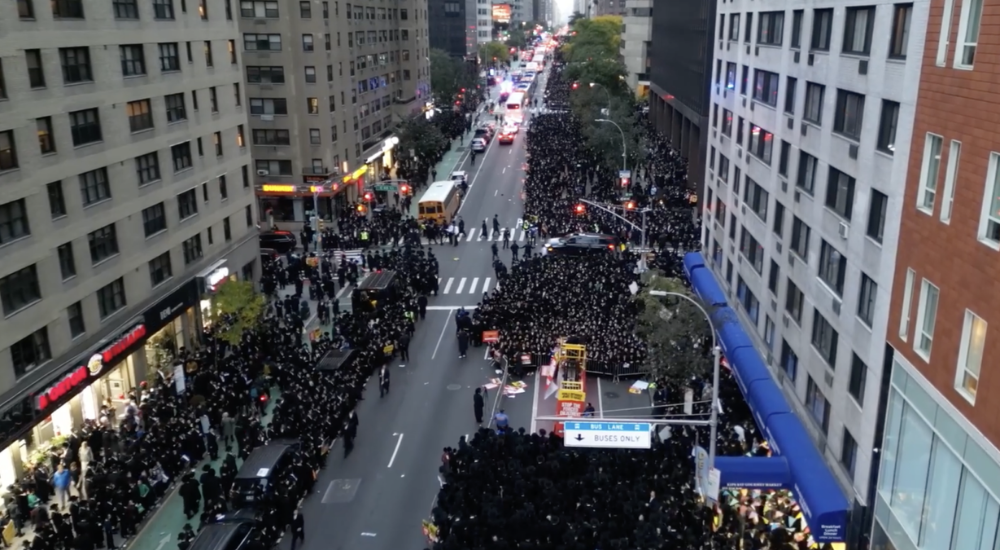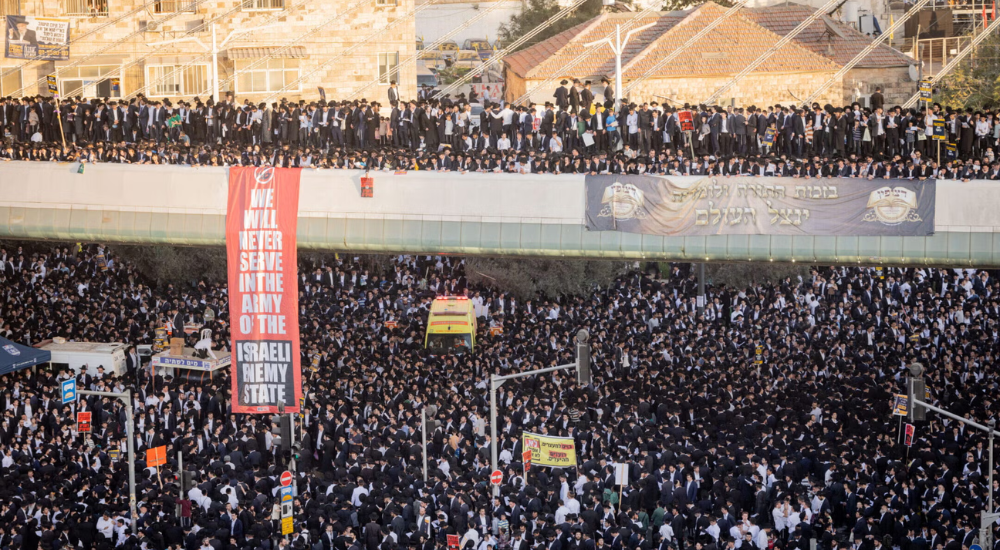
In what has become one of the largest public demonstrations in recent Israeli history, hundreds of thousands of people gathered in Yerushalayim for the widely publicized “Million-Man Rally.” The mass protest, organized by leading rabbinical authorities and community leaders, was held in response to increasing pressure on yeshiva students to enlist in the Israel Defense Forces (IDF). Demonstrators also protested the recent imprisonment of several students who refused induction on religious grounds.
The rally highlighted a deep and ongoing national debate over Torah study, military conscription, and the definition of religious freedom in the State of Israel. With the government seeking to enforce stricter draft requirements, many in the chareidi (ultra-Orthodox) community view the new policies as a direct assault on their values, way of life, and sacred institutions.
A Historic Gathering in the Heart of the City
From early morning hours, the streets of Yerushalayim began to fill with men, women, and children from across the country. Buses poured in from cities such as Bnei Brak, Modi’in Illit, Bet Shemesh, Ashdod, and even the northern Galilee, carrying tens of thousands of participants. Many walked long distances to avoid traffic closures, turning the city into a sea of black hats, banners, and prayers.
Despite being labeled a “Million-Man Rally,” estimates varied widely. While government officials reported several hundred thousand attendees, organizers insisted that the number approached one million—a testament to the depth of communal concern.
The Central Message: Torah Study Is Non-Negotiable
Speakers and rabbinic figures emphasized a core message: Torah study is the spiritual shield of the Jewish nation, and any attempt to draft yeshiva bochurim undermines this belief. Large posters displayed slogans such as:
- “Torah Protects and Saves”
- “Do Not Touch the Students of the Yeshivos”
- “Imprisonment for Keeping the Torah? Shame!”
Prominent roshei yeshiva delivered emotional speeches stressing that Torah study has always been the cornerstone of Jewish continuity, especially during times of national uncertainty. They argued that coercion has no place in a democratic society and that forcing religious students into military service violates basic civil rights.
Protesting the Imprisonment of Yeshiva Students
One of the rally’s most painful points was the recent decision to jail several yeshiva students who refused to enlist. The arrests sparked national outrage within the religious community, with many seeing it as an aggressive escalation in government enforcement.
Relatives of the imprisoned students spoke at the event, sharing stories of emotional distress and insisting that their sons were being punished simply for adhering to their rabbinic guidance. Their testimonies drew widespread sympathy and fueled calls for “immediate release” from the crowd.
A Peaceful Demonstration of Unity and Prayer
Although the rally was politically charged, it maintained a largely peaceful, solemn, and spiritual tone. The event included:
- Recitation of Tehillim (Psalms)
- Public prayers for unity and protection
- Moments of silence for those facing legal consequences over the draft
- Calls for continued peaceful activism
Families stood together, yeshiva students held signs quoting classical Torah sources, and leaders encouraged calm and restraint throughout the gathering.
Police and emergency services reported minimal disturbances, praising the crowd for maintaining order despite its massive size.
Government Stance and Political Implications
The rally came amid heightened debate within the Knesset over a new conscription bill aimed at gradually increasing ultra-Orthodox enlistment. Supporters of the bill argue that national security requires equal participation, especially given regional tensions.
Opponents, however, warn that forcing military service on religious communities will deepen distrust, widen societal divides, and place unbearable pressure on yeshiva institutions.
Political analysts say the rally may influence upcoming legislative negotiations. Several parties rely heavily on religious support and cannot afford to alienate their voters. The vast turnout demonstrated the strength and organization of the chareidi sector, sending a powerful message to lawmakers.
Public Reactions Across Israel
Reactions to the protest were mixed. Secular groups criticized what they perceive as unequal responsibility for national defense, while many moderates called for dialogue rather than confrontation.
Within the religious community, however, the rally was seen as a triumph of unity and a clear sign that Torah institutions remain unwavering in their mission.
Looking Ahead: What Comes Next?
As the political debate continues, the “Million-Man Rally” stands as a monumental moment in the struggle over draft reform and religious autonomy. Whether the government will soften its approach or push forward with stricter enforcement remains to be seen.
What is certain is that the rally solidified the chareidi community’s resolve to protect yeshiva students at all costs—through peaceful protest, legal advocacy, and unwavering adherence to Torah principles.